Current and Past Projects
Drs. Powell and Cohen have additional projects working with humanitarian organizations to support the mental health of disaster affected individuals, families, and communities. Please check back for updates as these projects develop.

Pragmatic Randomized Control Trial of a multi-level community intervention to prevent behavioral health symptoms among disaster and pandemic affected children, Funded by the National Institute of Mental Health(NIMH), 2022-2026
In collaboration with the global humanitarian organization, Save the Children, University of South Florida, and University of Houston, Dr. Powell is the Principal Investigators a multi-state trial examining the longitudinal impact of the virtual adapted, Journey of Hope Intervention. This project aims to understand how schools and community-based centers can support children and youth mental health during disasters, when in-person learning is disrupted due to collective traumatic events.
In collaboration with Louisiana State University (Principal Investigator, Dr. Jennifer Scott) and Together Baton Rouge, Dr. Powell is a co-investigator on a Community-Based Participatory Research study examining the implementation and effectiveness of the Community Organizing for Power and Empathy (COPE) intervention. The COPE intervention is being delivered at community institutions and aims to (1)reduce psychological distress and amplify protective factors among individuals and communities at risk of experiencing disasters; and (2) build individual and community psychological support response capacity.
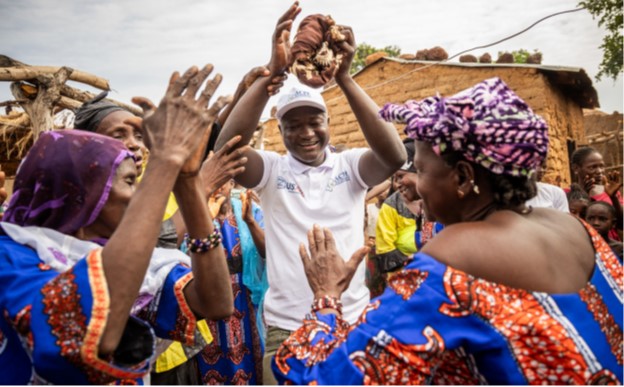
Mental Health Policy Assessment. U.S. Agency for International Development, 2022-2023
In collaboration with the United States Agency for International Development. University of Illinois Social Work Professors, Drs. Ben Lough, Moses Okumu, and Tara Powell, supported the development of USAIDS mental health policy. This project was informed through an extensive consultation process, facilitated listening sessions, a series of evidence briefs, and the collective expertise and input of a diverse and well-informed community.
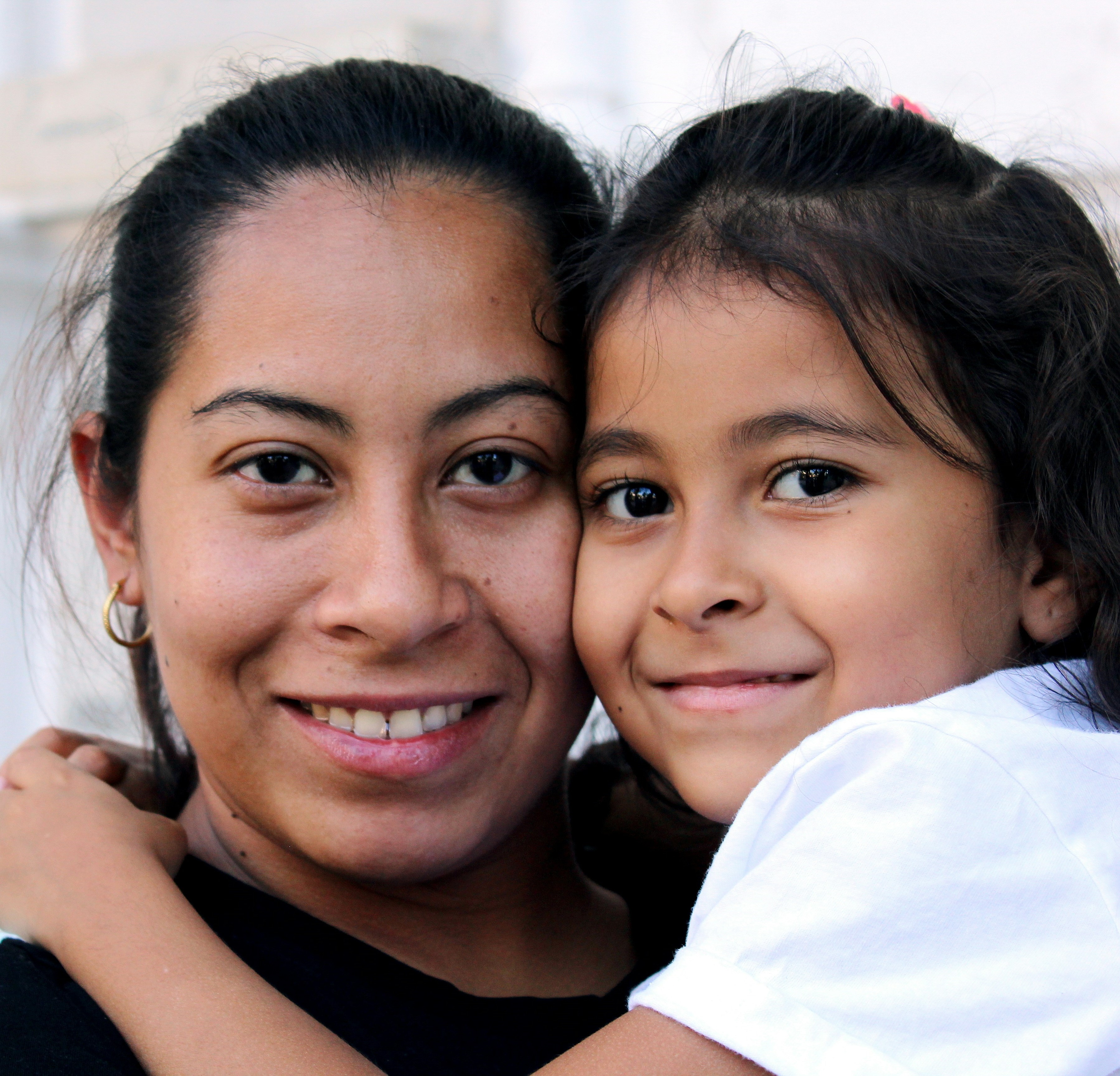
An Interdisciplinary Training Program for Social Work and Law Students to Support Immigrant Communities in Champaign County
Champaign county, home to 25,552 immigrants, is one of the largest hosts of the immigrant population in Illinois. However, services to meet community needs are difficult to access, and often siloed. Collaborations between legal and mental health services could bridge gaps in service provision and increase access to additional legal relief options. Through collaboration between UIUC School of Social Work and Law School, professionals will learn methods to support the immigrant population to access high-quality integrated care that supports their mental health and legal status simultaneously.

Immigrant and Refugee Mental Health in Rural Illinois
Increasingly more refugees are being resettled to rural locations in the U.S. where they often experience social isolation and challenges integrating. While it is well known that refugees have a heightened risk of mental health challenges, there is limited research about cultural idioms of distress and healing among refugees living in rural settings. The ways in which refugees understand and describe their mental health may differ across cultures and not align with Western etiologies. Through a partnership with the Champaign-Urbana Public Health Department, this qualitative study aims to investigate mental health concerns among a heterogenous immigrant and refugee population located in rural Illinois.
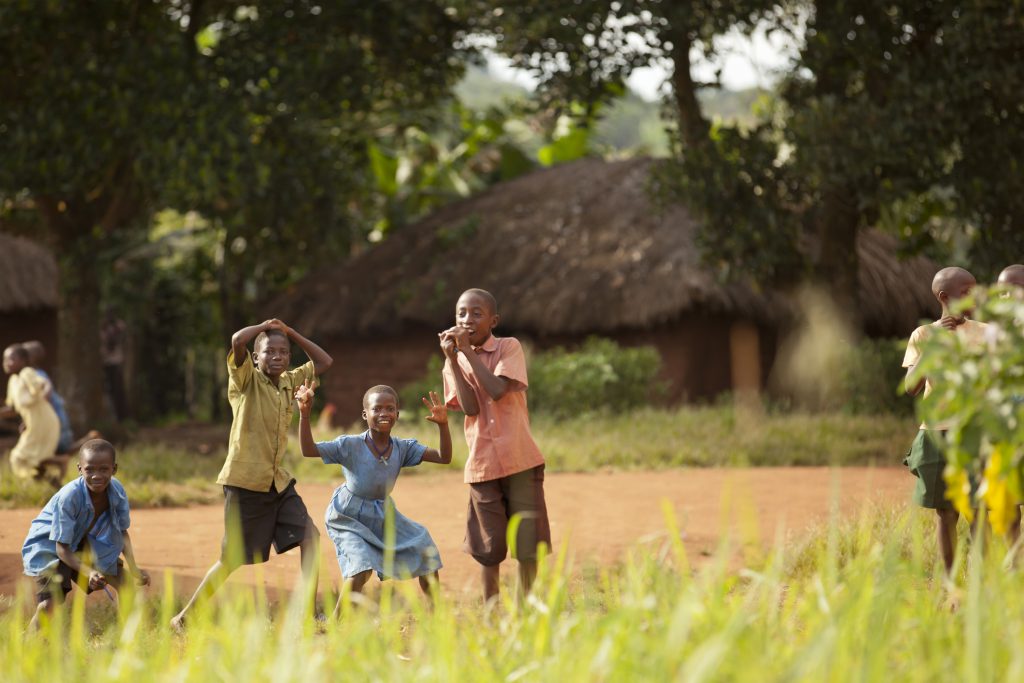
Journey of Life Psychosocial Support Intervention for Conflict-Affected Populations in Uganda
Displacement curtails access to necessary resources, such as food and shelter, and access to institutional supports including health and protective services. These barriers, along with the potentially traumatic impacts of conflict, can lead to immense psychosocial challenges and have compounding negative effects on the mental health of the most vulnerable, including children. Caregivers play a critical role in mediating the impacts of forced displacement on children and adolescents, as they may either heighten or mitigate the compounding detriments of conflict and displacement. The Journey of Life program , developed by Regional Psychosocial Support Initiative (REPSSI), implemented by Transcultural Psychosocial Organization (TPO) Uganda, and evaluated by Washington University in St. Louis, engages community members at multiple socioecological levels through individual and community reflection, dialogue and action. The Journey of Life led to improvements in mental health, functioning, and caregiving.

Cope: Community-led psychosocial support for refugees and asylum seekers in Indonesia (2018-Present)
The majority of refugees and asylum seekers are displaced in urban settings, with fragmented access to services. For refugees living in countries who are not signatories to the 1951 UN Convention or the 1967 Protocol to the Status of Refugees, the situation is even more dire. There are high rates of trauma exposure, and related mental disorders among these stateless and disenfranchised populations. Meanwhile, refugee-led organizations have stepped in to meet critical needs in refugee and asylum seeking communities. Empowering refugee community members to deliver mental health interventions requires steady commitment, but can have high impact and sustainable outcomes. Cope is a participatory group therapy intervention designed to address the unique needs of refugees displaced for an extended period of time in Indonesia.
 Disaster Intervention Research Lab